
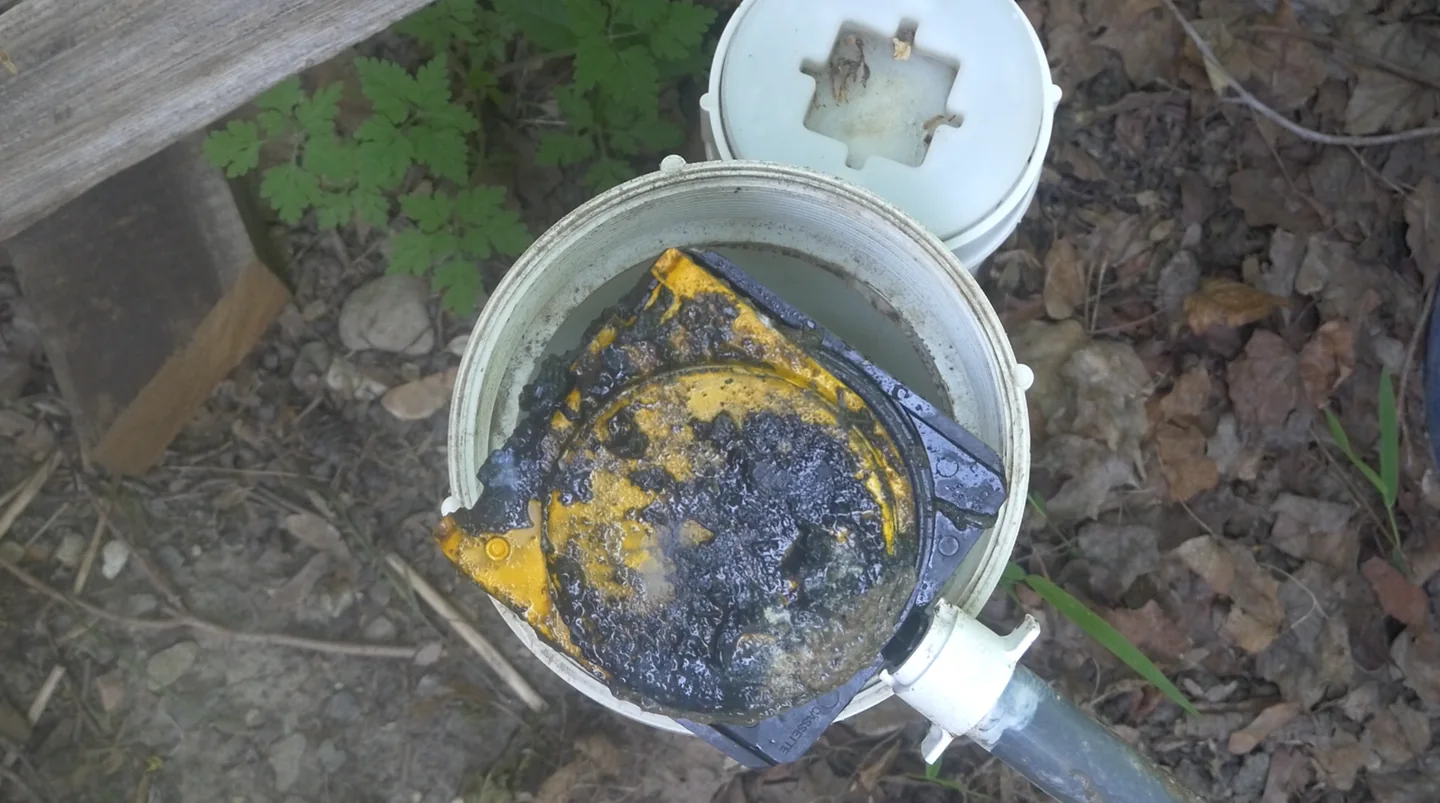
Guides
Use specialist guides to understand the decision, then confirm the actual property and authority requirements.
Learn moreFrequently asked questions
Use these answers as a starting point, then confirm the property-specific decision with an assessment and the responsible authority.
What to know
Understand how interior and exterior options differ, why the protected drainage path matters and when camera inspection can reduce uncertainty.
Project context
Know what happens when the flap closes, why plumbing use should stop and how alarms and maintenance support occupant response.
Owner handover
Rebate limits, property eligibility, pre-approval, contractor requirements and inspection rules differ across municipalities and can change.
Project checklist
Use the assessment, authority requirements and written scope rather than choosing from a generic product package.
Related next steps
Use specialist guides to understand the decision, then confirm the actual property and authority requirements.
Learn more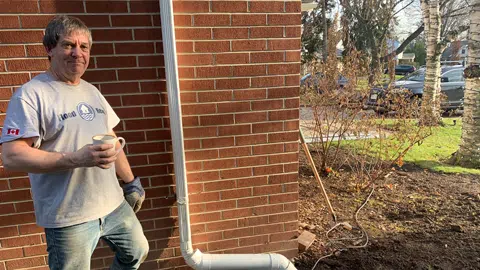
Tell us where the property is, what happened, whether a valve already exists and which municipal programme may be relevant.
Learn more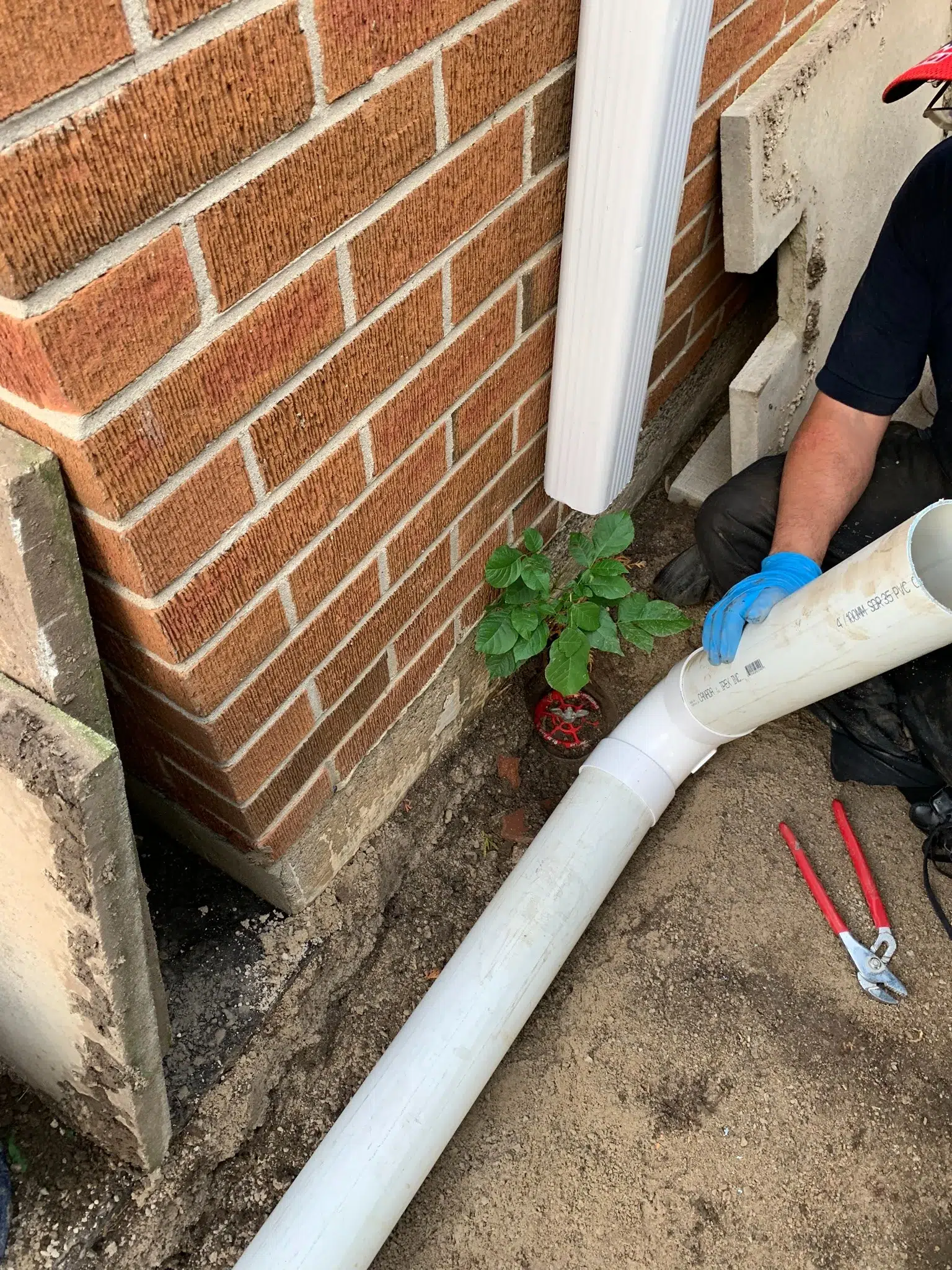
Understand the current official programme before choosing the valve, location, contractor scope and application sequence.
Learn more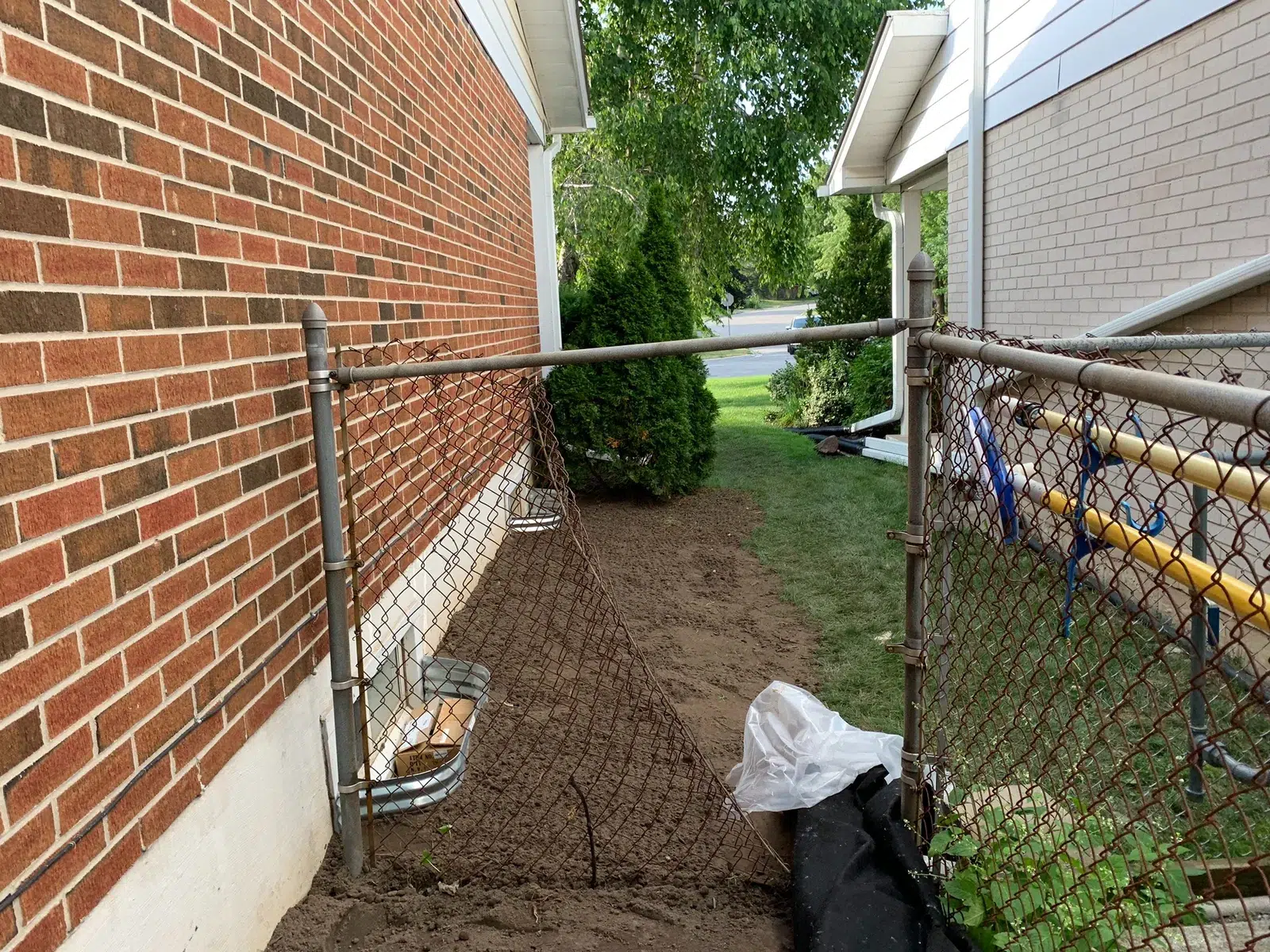
Frequently asked questions
It closes against reverse flow on the protected drainage connection.
The location depends on the building drain, private lateral, protected fixtures, access, code and municipal requirements.
Stop using connected plumbing fixtures until normal sewer flow returns and the flap reopens.
Follow manufacturer and local guidance, with regular inspection and additional checks when operation is uncertain.
Next step
Open the short contact form first, or call us directly.