
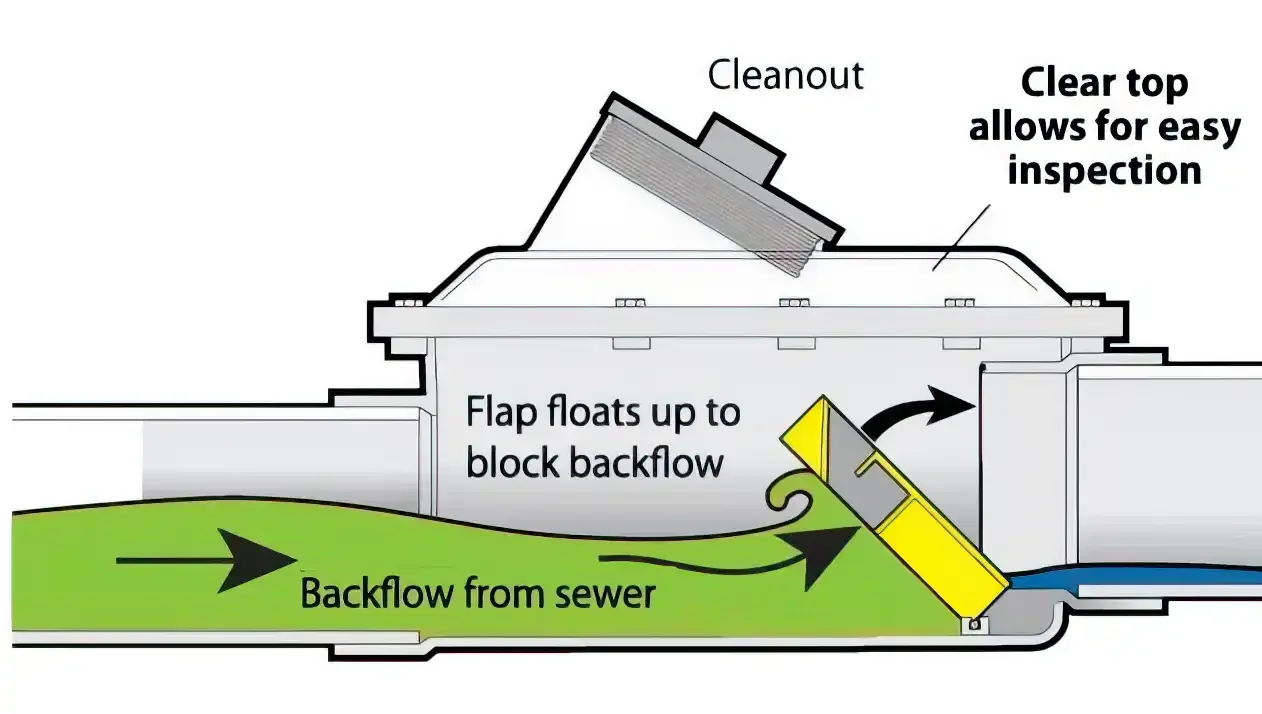
What is a valve?
A backwater valve normally remains open so wastewater can leave the home and closes when reverse sewer flow pushes the flap toward the building.
Learn more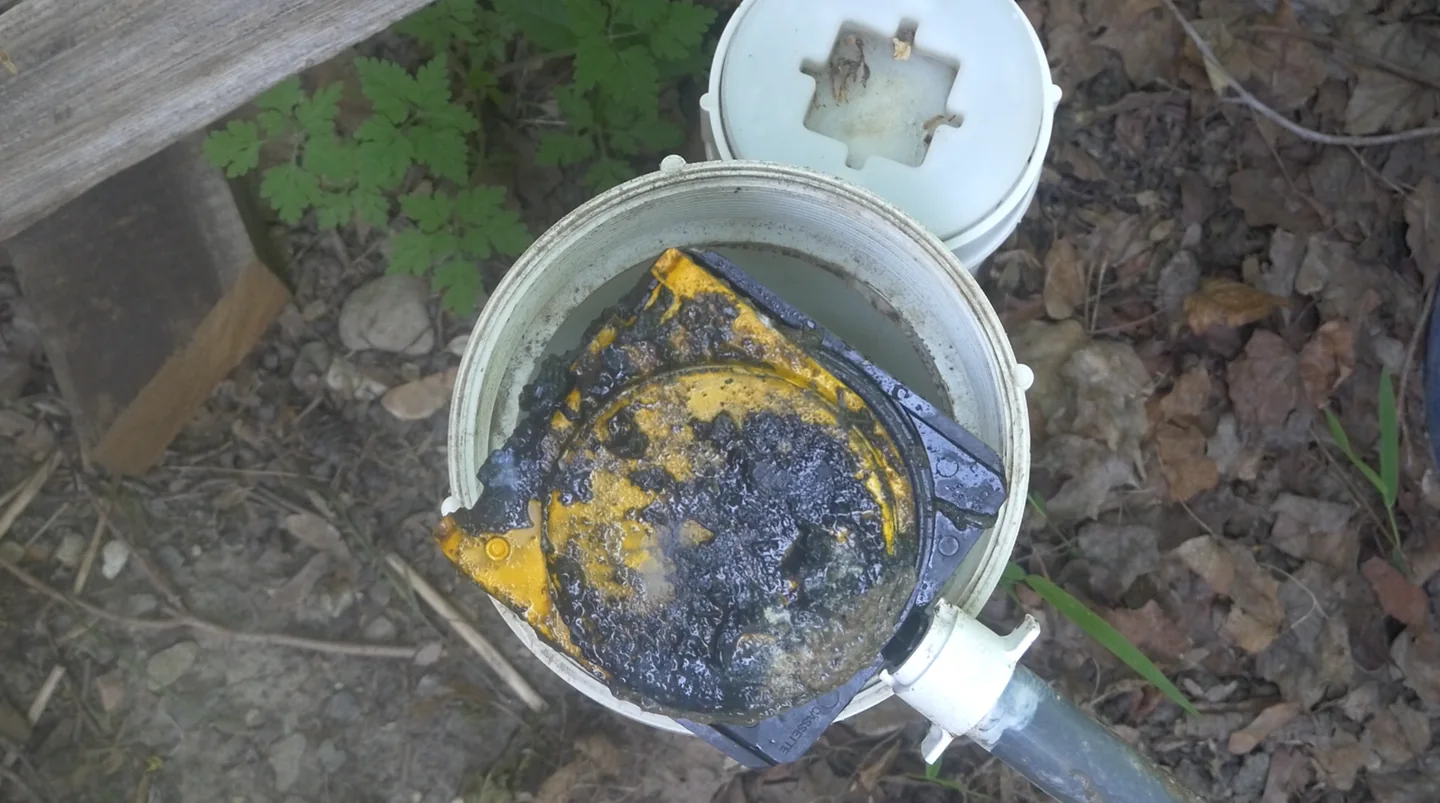
Education before construction
Use specialist guides to understand the decision, then confirm the actual property and authority requirements.
What to know
Compare interior, exterior, storm, sanitary, mainline and dual-valve concepts.
Project context
Keep access clear, understand closure and investigate damage or unusual operation.
Owner handover
Plan the complete scope and preserve the records required for inspection and programme applications.
Project checklist
Use the assessment, authority requirements and written scope rather than choosing from a generic product package.
Related next steps
A backwater valve normally remains open so wastewater can leave the home and closes when reverse sewer flow pushes the flap toward the building.
Learn more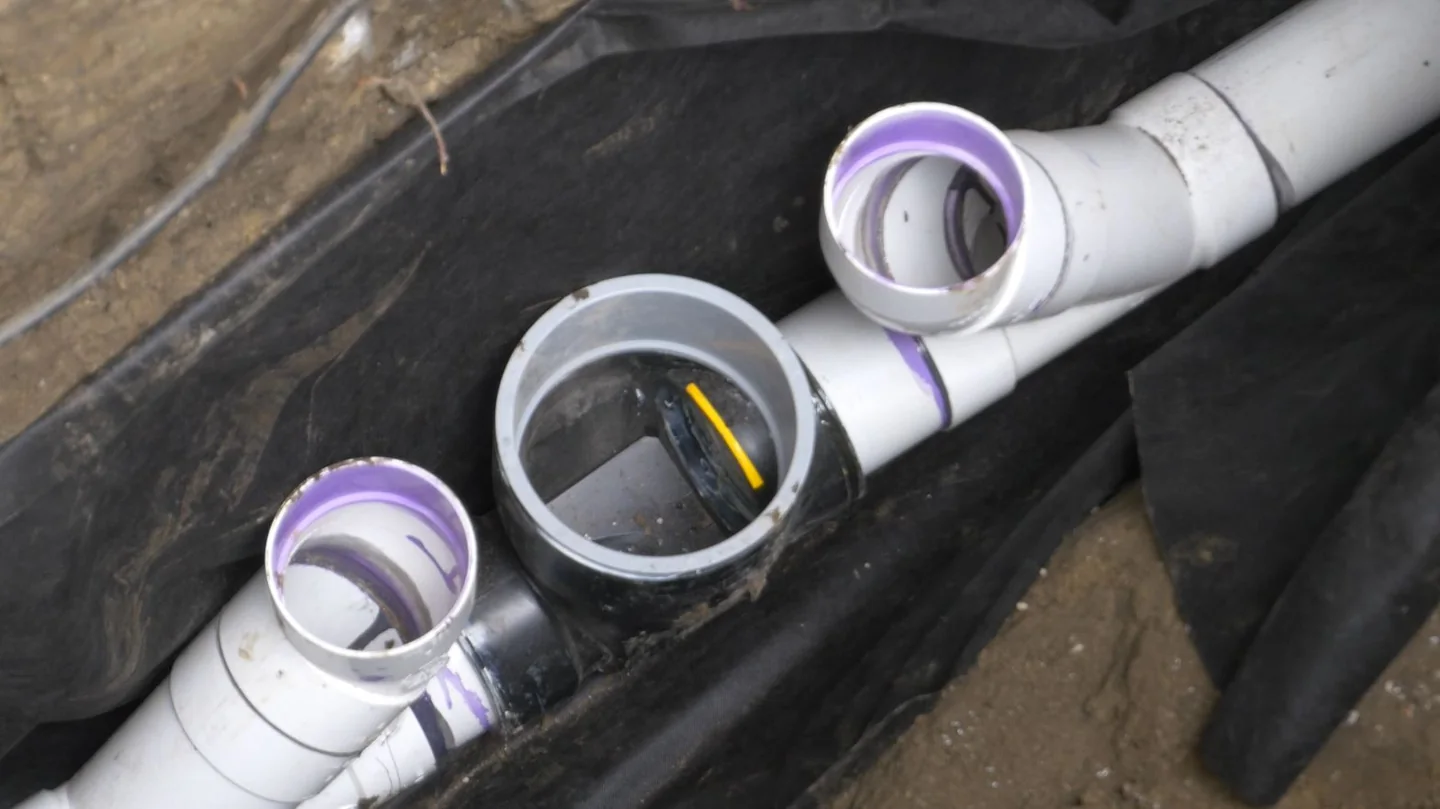
Interior and exterior locations can both be appropriate. The decision should balance the protected connection, access, depth, finished space, excavation and programme rules.
Learn more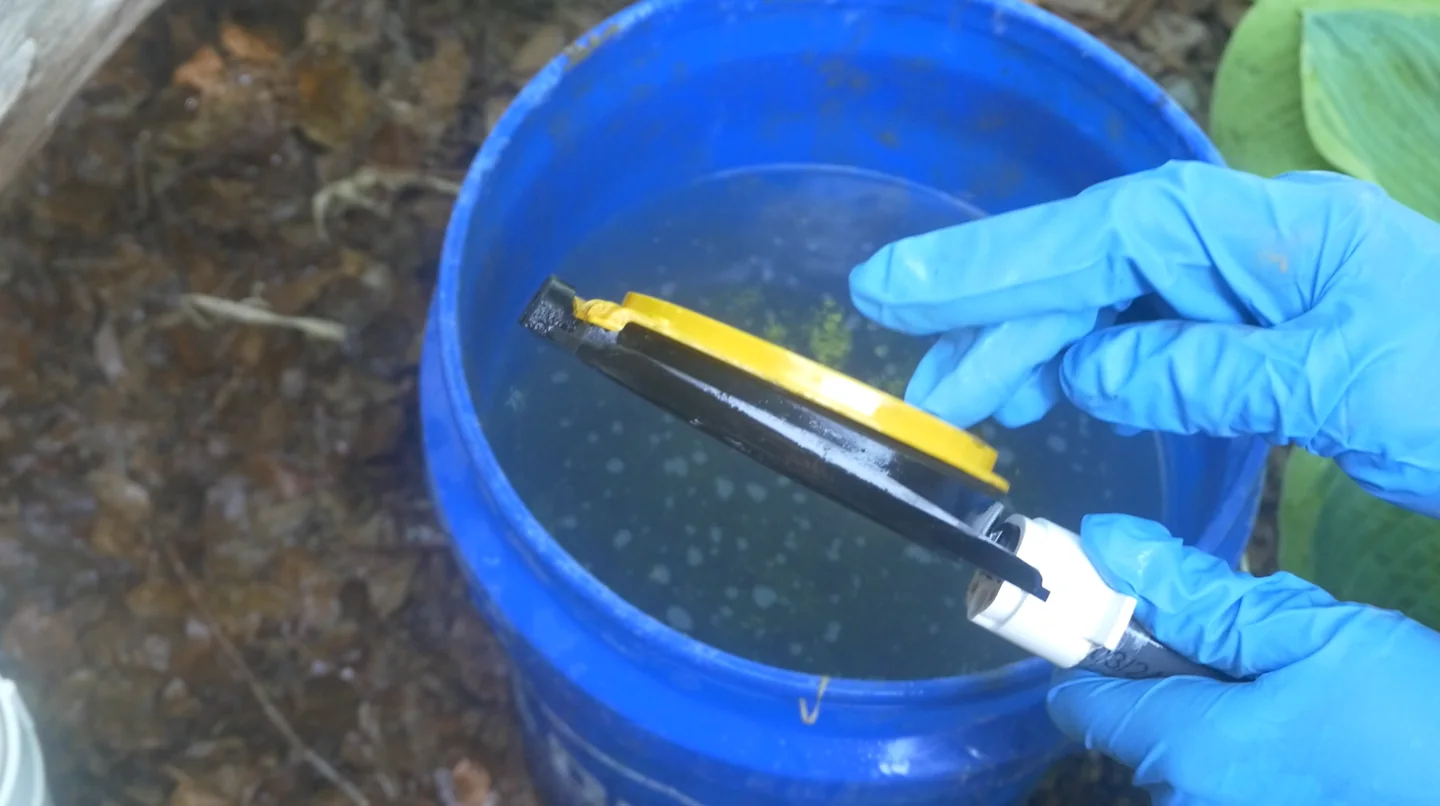
Regular maintenance focuses on access, cleanliness, free movement, damage and clear owner records.
Learn more
The strongest contractor conversation explains the protected line, evidence, work sequence, exclusions and future access.
Learn moreFrequently asked questions
Yes. Property-specific advice requires assessment.
Official sources are linked and dated, but programmes can change after publication.
You may share links to the public pages.
BackwaterValves.ca stays focused on valves; FloodReady.ca covers broader systems.
Next step
Open the short contact form first, or call us directly.