
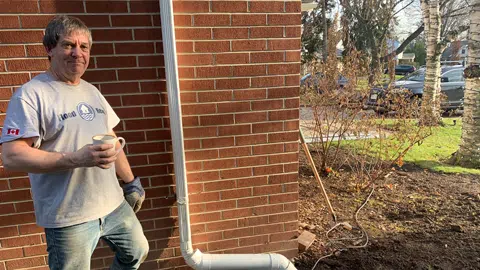
Book assessment
Tell us where the property is, what happened, whether a valve already exists and which municipal programme may be relevant.
Learn moreAssessment to owner handover
A defined process reduces assumptions and keeps the permit, inspection and maintenance requirements visible.
What to know
Review the city, property type, flooding history, existing valve, finished space, known sewer arrangement, photos and programme interest.
Project context
Confirm the protected path, interior or exterior options, pipe condition, permits, rebate sequence, access and restoration scope.
Owner handover
Complete the work, hold it for inspection, restore the area, explain valve closure and provide maintenance and document records.
Project checklist
Use the assessment, authority requirements and written scope rather than choosing from a generic product package.
Related next steps
Tell us where the property is, what happened, whether a valve already exists and which municipal programme may be relevant.
Learn more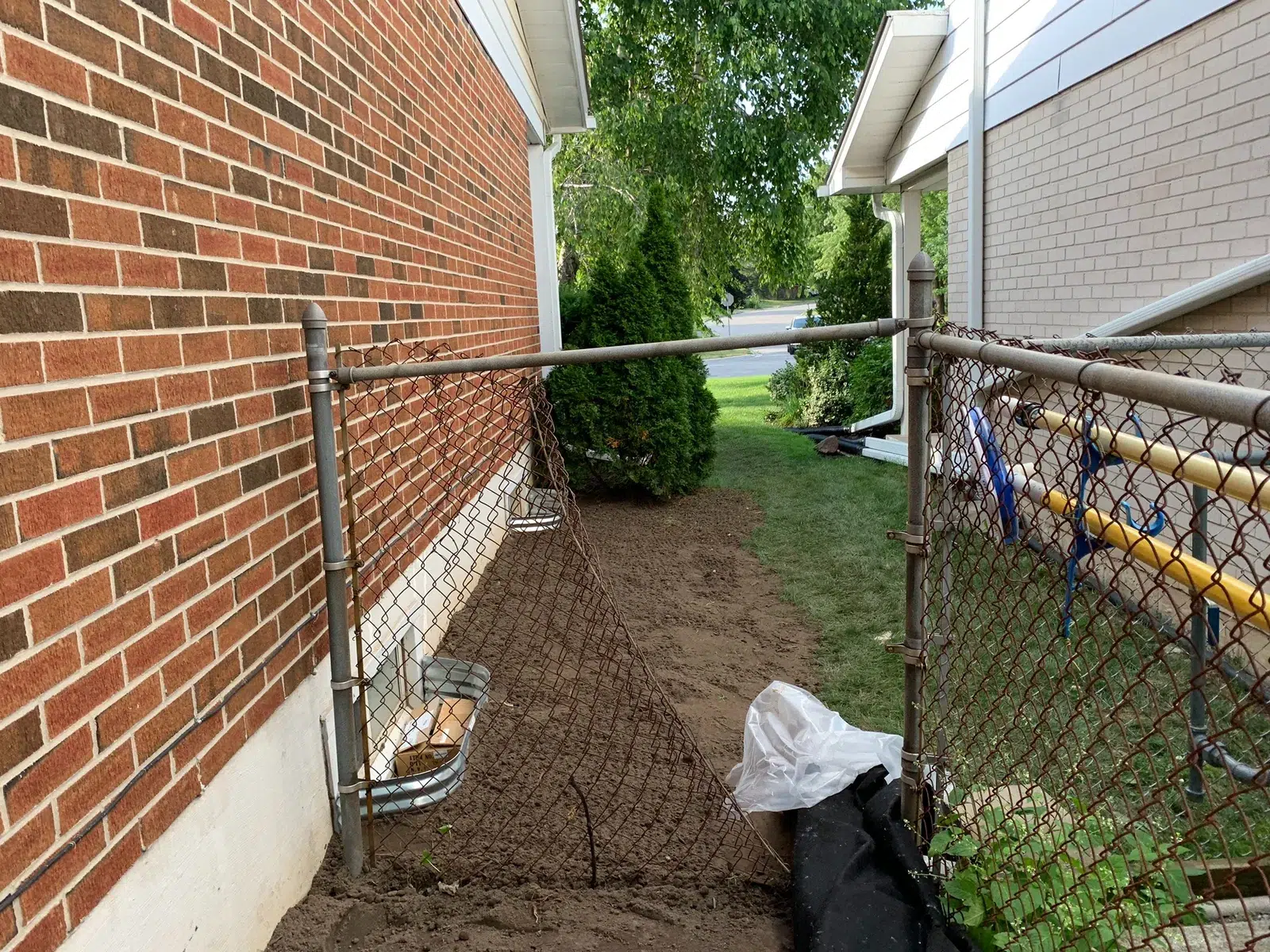
Provide the assessment information needed to prepare or schedule a reliable quotation.
Learn more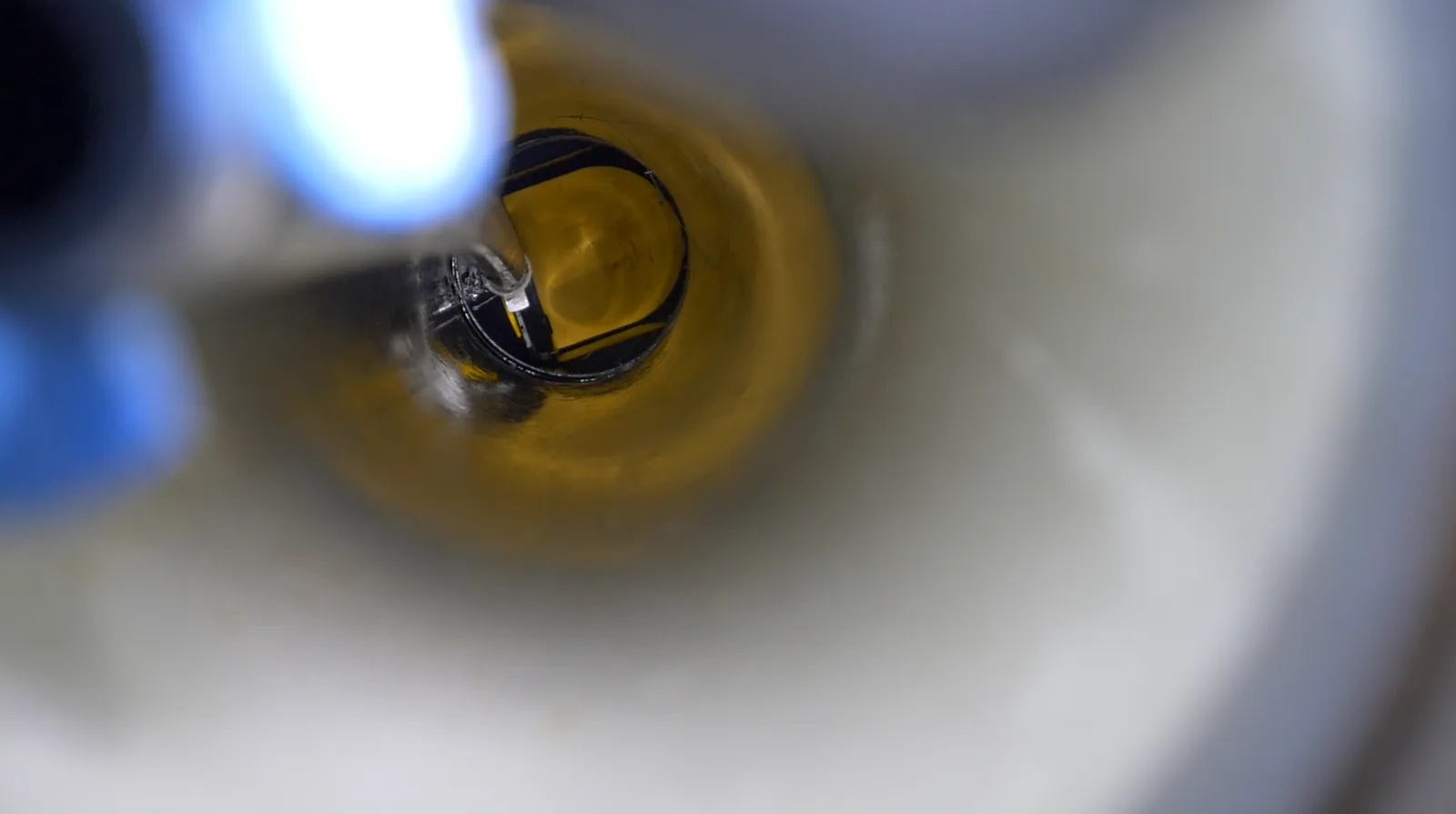
Photos can help identify the next assessment step, but they do not replace site inspection or hidden pipe evidence.
Learn more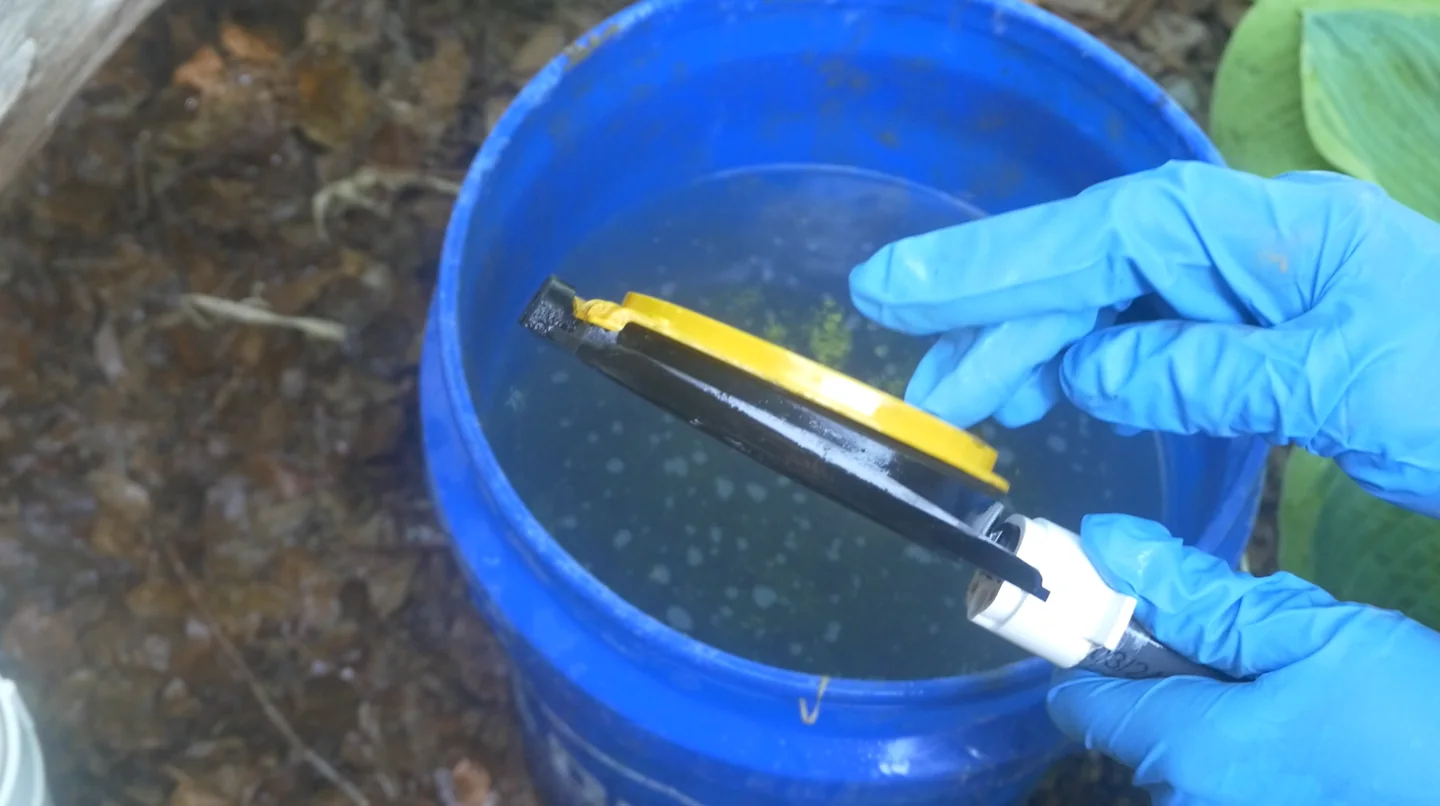
Keep the flap, seal, body and access clear so an installed valve can move freely when reverse flow occurs.
Learn moreFrequently asked questions
Permit, technical-review, locate and programme requirements may need to occur first.
Payment terms should be stated in the written quotation and contract.
The project scope should identify who requests the municipal inspection and what must remain visible.
The homeowner receives operating limits, access location and maintenance guidance, plus the agreed records.
Next step
Open the short assessment form. The fields appear immediately on the next screen, or call us now.