
All guides
Use specialist guides to understand the decision, then confirm the actual property and authority requirements.
Learn more
Occupant response.
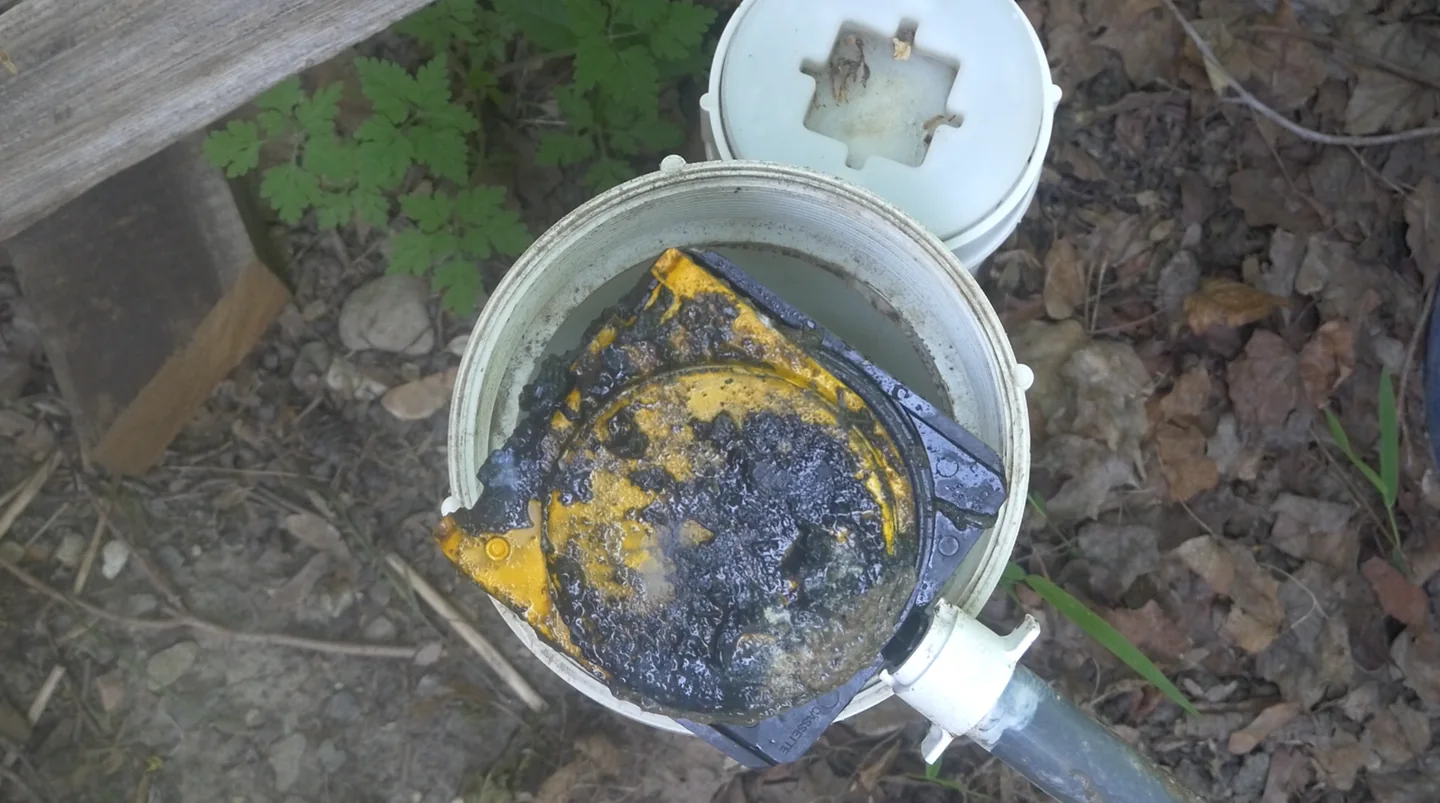
Stop using connected plumbing fixtures until the reverse-flow condition ends and the valve reopens.
What to know
Stop using connected plumbing fixtures until the reverse-flow condition ends and the valve reopens.
Project context
Use the property’s sewer layout, permits, programme rules, product instructions and accessible maintenance plan. Separate observed facts from assumptions, especially before concrete is opened or exterior excavation begins.
Owner handover
Keep photographs, inspection or camera evidence, contractor scope, permit and inspection records, product information and maintenance dates. Clear records help future service and property ownership changes.
Project checklist
Use the assessment, authority requirements and written scope rather than choosing from a generic product package.
Related next steps
Use specialist guides to understand the decision, then confirm the actual property and authority requirements.
Learn more
Reduce assumptions before concrete is opened or a deep exterior excavation begins.
Learn more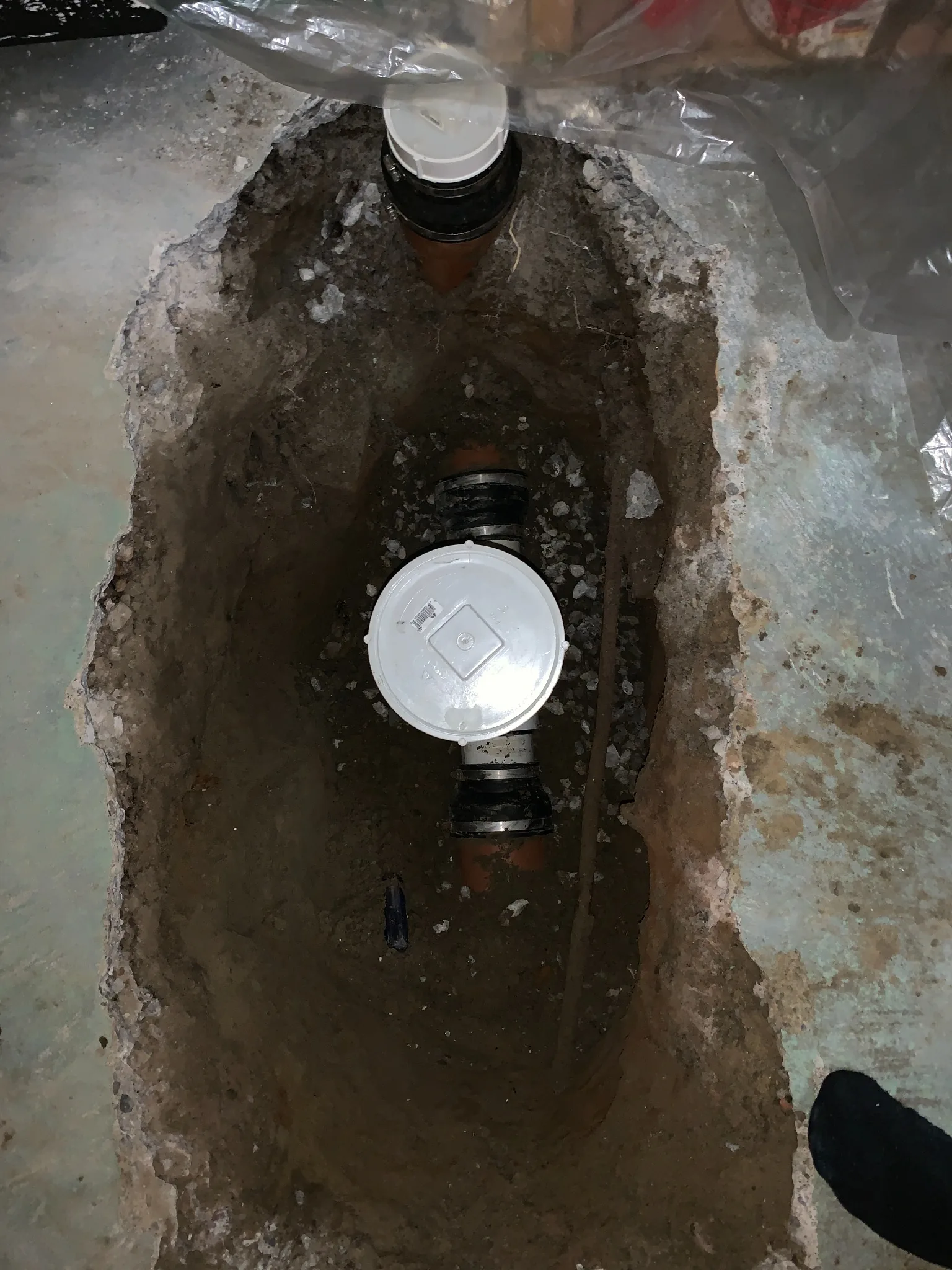
A complete installation pathway for homeowners who want to reduce sewer-backup risk with the right valve, location, permit, inspection and maintenance access.
Learn more
Frequently asked questions
No. It explains the decision framework, not the hidden conditions at a specific property.
No. Use the current authority, permit and programme sources.
Installation is regulated plumbing work and should be completed through the appropriate qualified and licensed professionals.
Book an assessment, request a quote or upload photos for initial screening.
Next step
Open the short assessment form. The fields appear immediately on the next screen, or call us now.