
Assess
Review the drainage layout, CCTV findings, pipe material, site access and the intended protected connection.
Backwater valve specialists
Regular maintenance helps identify debris, grease, a damaged seal or a flap that no longer moves freely.

What to expect
The visible room or yard is only part of the decision. The private lateral, connected fixtures, pipe condition, grade and municipal requirements determine what is practical.
Project sequence
The details change by service, but the essential sequence remains consistent.
Review the drainage layout, CCTV findings, pipe material, site access and the intended protected connection.
Complete the permitted work and keep the valve visible until the municipal inspection is accepted.
Restore the floor or yard, label the access and explain cleaning, operation and what to do if the valve closes.
Important limits
It should be considered alongside surface drainage, foundation water, sump systems and the condition of the private sewer.
The valve does not stop groundwater, window-well water or foundation leakage.
Fixtures used while the flap is shut can back up on the house side of the valve.
The valve needs reachable access and periodic inspection according to manufacturer and local guidance.
Questions
The final recommendation should be tied to the actual property.
No. Suitability depends on the plumbing layout, number of dwelling units, sewer connections, pipe condition, depth and local code or program requirements.
A municipal building or plumbing permit is commonly required for installation or replacement. The applicable local municipality should be confirmed before work begins.
The work should remain visible for the required inspection, then the floor or yard is restored and the homeowner receives operation and maintenance guidance.
Project details
Real images help explain access, maintenance and installation details. The final method depends on the property.
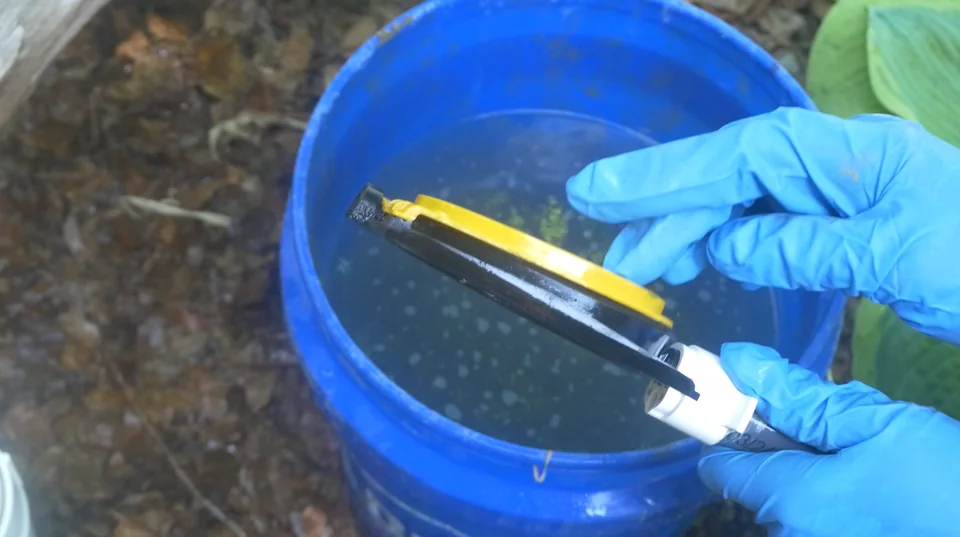
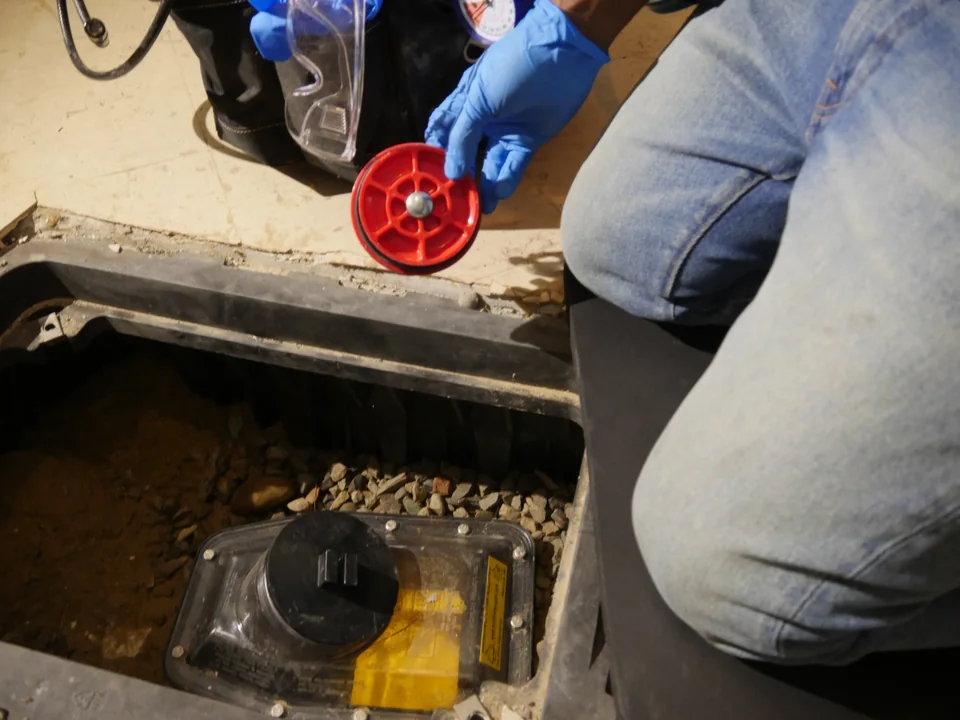


A short conversation and a site assessment can clarify whether an interior or exterior backwater valve makes sense for your property.