
Assessment
Reduce assumptions before concrete is opened or a deep exterior excavation begins.
Learn more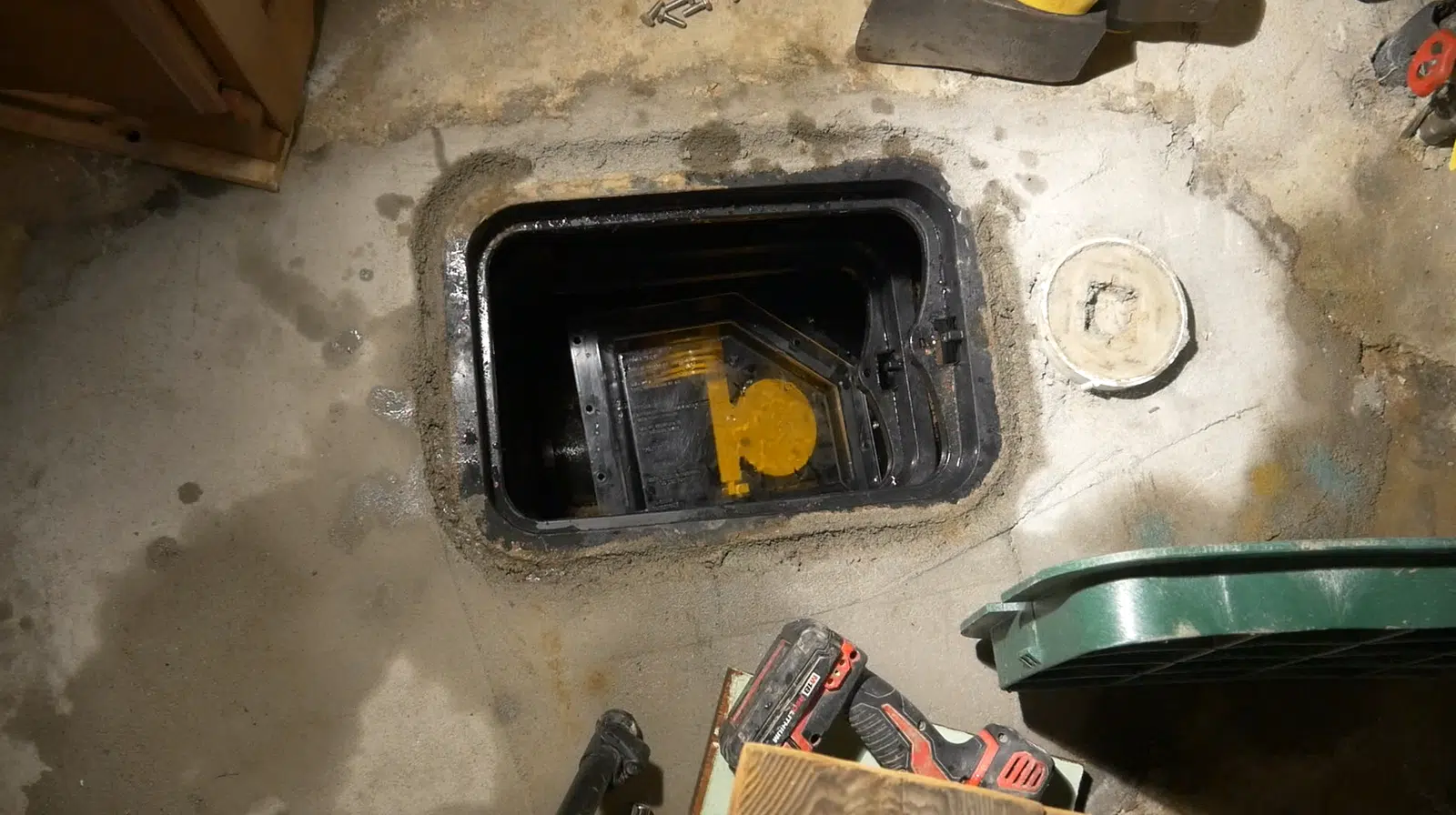
Restore reliable operation
Determine whether cleaning, part replacement, access correction or full valve replacement is appropriate.
What to know
Debris, damaged seals, worn hinges, improper access, construction residue, pipe problems and incompatible installations can produce different symptoms.
Project context
Replacement work may require a permit and inspection, especially when the valve body or connected piping is altered.
Owner handover
Document the new model, location, protected connection, inspection, operating limits and future maintenance schedule.
Project checklist
Use the assessment, authority requirements and written scope rather than choosing from a generic product package.
Related next steps
Reduce assumptions before concrete is opened or a deep exterior excavation begins.
Learn more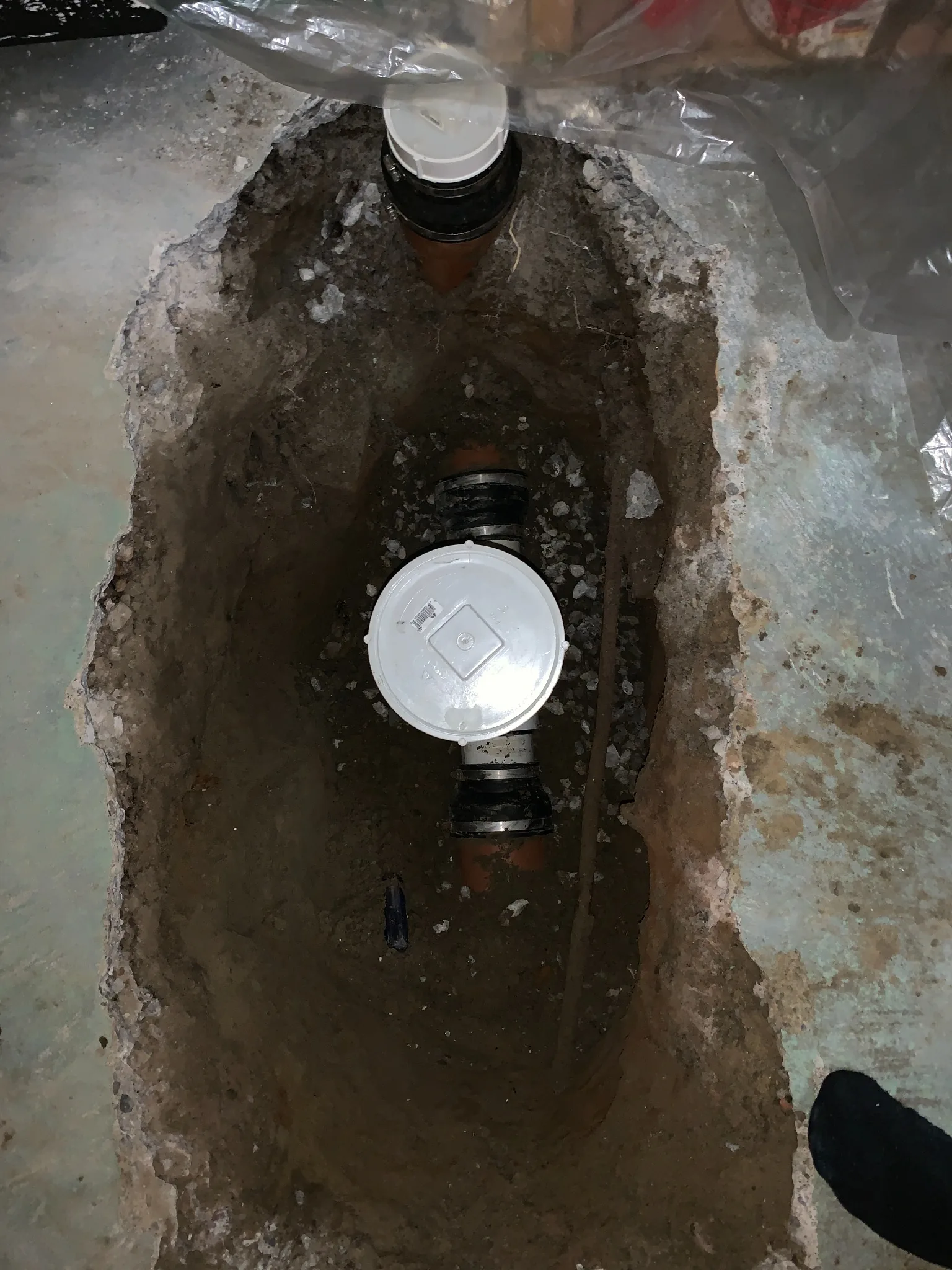
A complete installation pathway for homeowners who want to reduce sewer-backup risk with the right valve, location, permit, inspection and maintenance access.
Learn more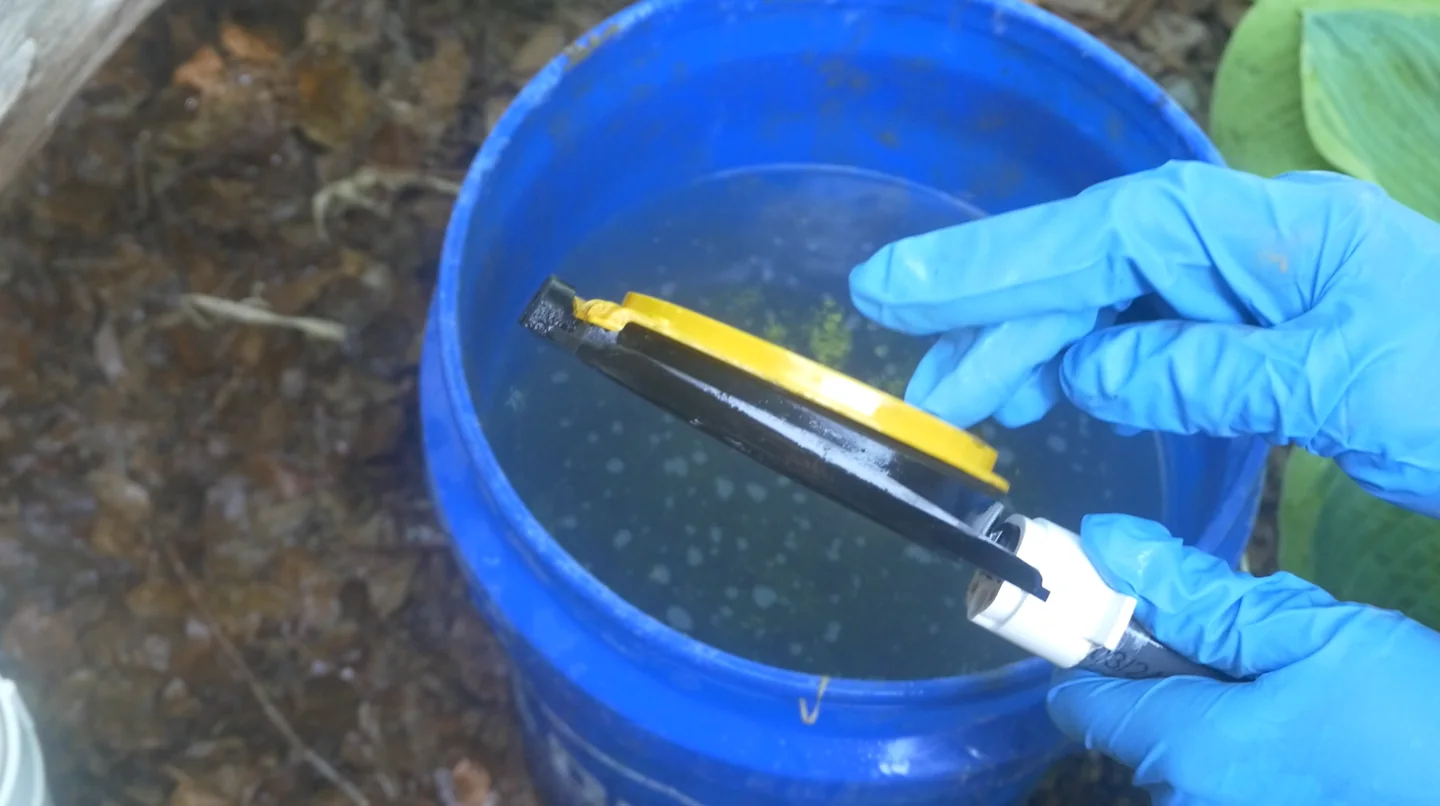
Keep the flap, seal, body and access clear so an installed valve can move freely when reverse flow occurs.
Learn more
Provide the assessment information needed to prepare or schedule a reliable quotation.
Learn moreFrequently asked questions
Installation and material alterations must be completed through the appropriate qualified and licensed plumbing professionals and applicable permits.
Photos and records can help, but a reliable scope may require inspection or camera evidence.
No. The responsible authority makes permit, inspection and programme decisions.
BackwaterValves.ca focuses on backwater valves. Broader flood-protection services are available through FloodReady.ca where appropriate.
Next step
Share the property city, current concern and any known valve or sewer information. This form is not an emergency dispatch service.
Prefer to talk? Call 416-710-0905