
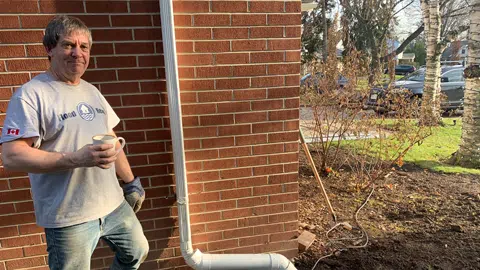
Assessment
Reduce assumptions before concrete is opened or a deep exterior excavation begins.
Learn more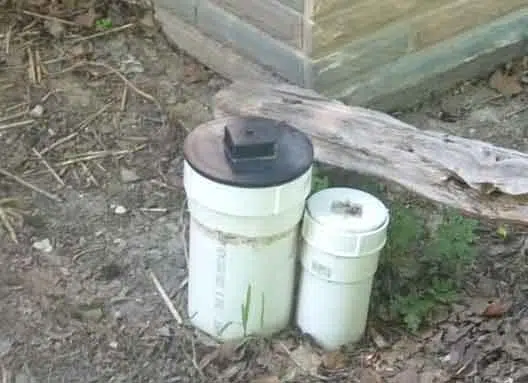
Asset records and accountable maintenance
Manage device locations, responsibilities, inspections, occupant instructions and capital decisions across one or more properties.
What to know
Record each valve’s location, model, protected drainage path, access, installation date, inspection history and responsible party.
Project context
Multi-unit drainage arrangements can affect code, rebate and installation suitability. Do not assume a single valve can protect every unit.
Owner handover
Work orders, tenant notices, emergency contacts and annual inspections should be coordinated rather than left as informal knowledge.
Project checklist
Use the assessment, authority requirements and written scope rather than choosing from a generic product package.
Related next steps
Reduce assumptions before concrete is opened or a deep exterior excavation begins.
Learn more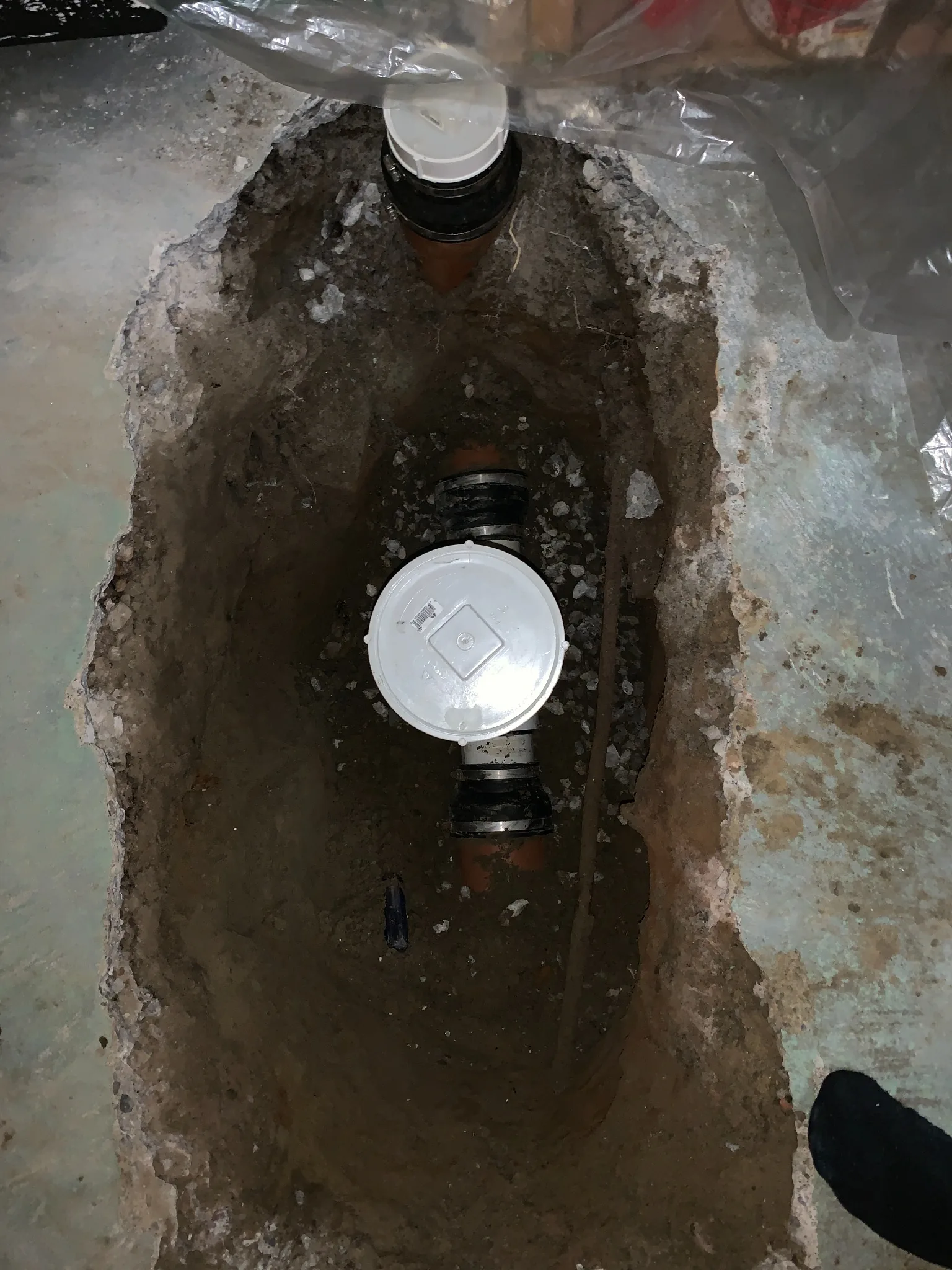
A complete installation pathway for homeowners who want to reduce sewer-backup risk with the right valve, location, permit, inspection and maintenance access.
Learn more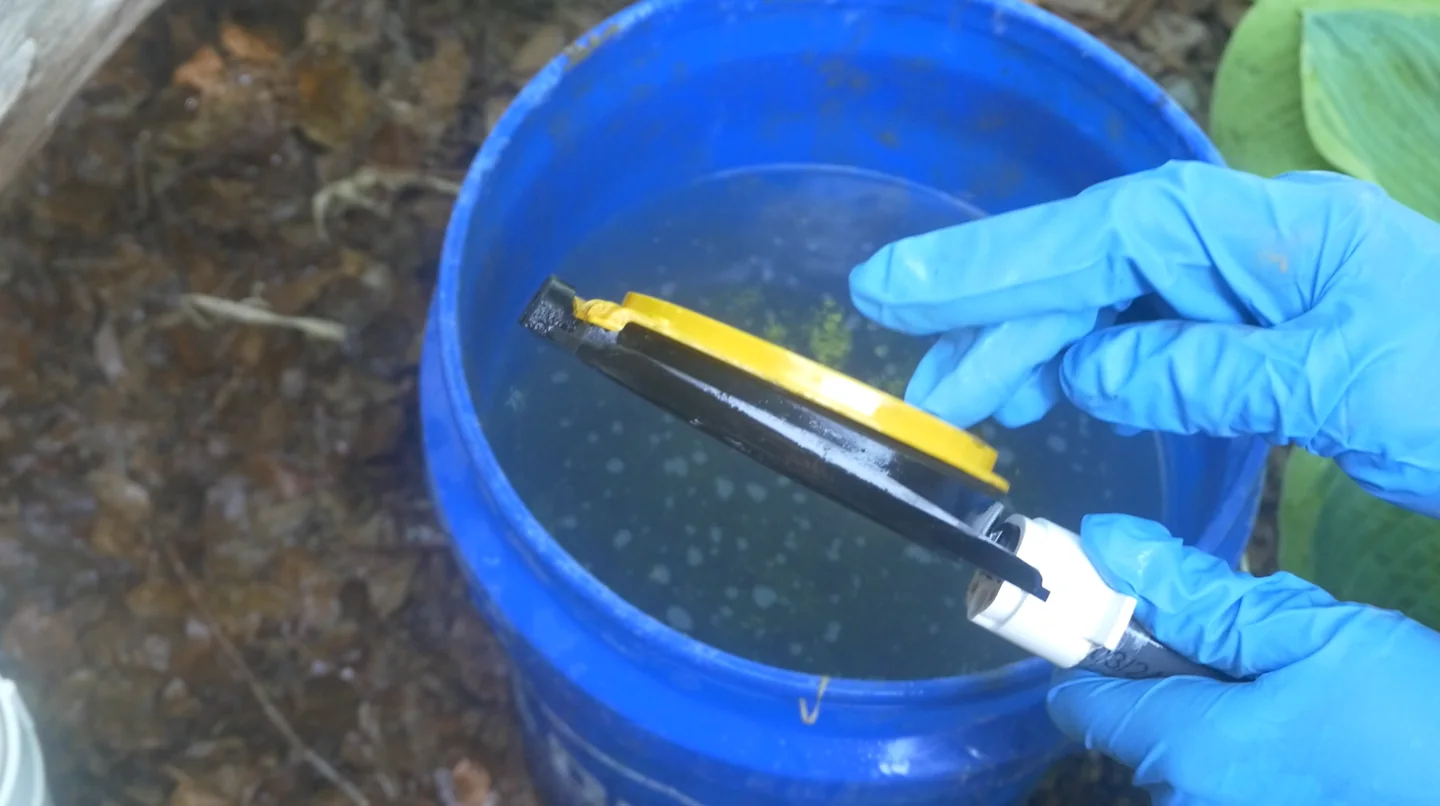
Keep the flap, seal, body and access clear so an installed valve can move freely when reverse flow occurs.
Learn more
Provide the assessment information needed to prepare or schedule a reliable quotation.
Learn moreFrequently asked questions
Installation and material alterations must be completed through the appropriate qualified and licensed plumbing professionals and applicable permits.
Photos and records can help, but a reliable scope may require inspection or camera evidence.
No. The responsible authority makes permit, inspection and programme decisions.
BackwaterValves.ca focuses on backwater valves. Broader flood-protection services are available through FloodReady.ca where appropriate.
Next step
Open the short assessment form. The fields appear immediately on the next screen, or call us now.